
Shop like a billionaire, die like a Victorian
On Scheele green, Temu, and the high price of buying cheep and trendy goods
People of 19th century fall madly (and deadly) in love with a nuance of the green colour —Scheele green. Its desirability skyrocketed; the colour was new, inexpensive, never seen before, and extremely fashionable. Any attempt of producing green pigment in the past resulted in dull shade, until 1775 when Swedish chemist Carl Wilhelm Scheele, accidentally formulated the emerald green pigment, as seen in nature. Scheele had, once again, reinvented the colour wheel; few years earlier he formulated bright yellow paint, named ‘Turner yellow’ after a British chemist who stole the patent of its manufacturing process. It is worth mentioning that Scheele also discovered one of the headliners of the Periodic system of elements — oxygen.
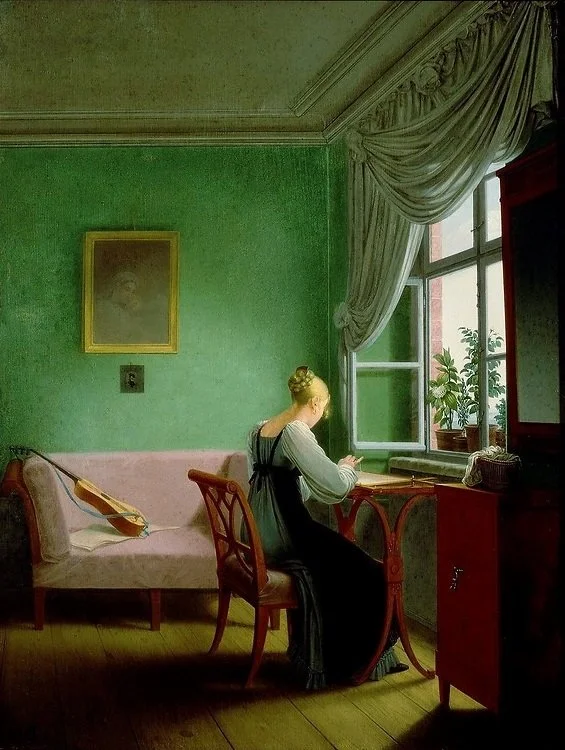
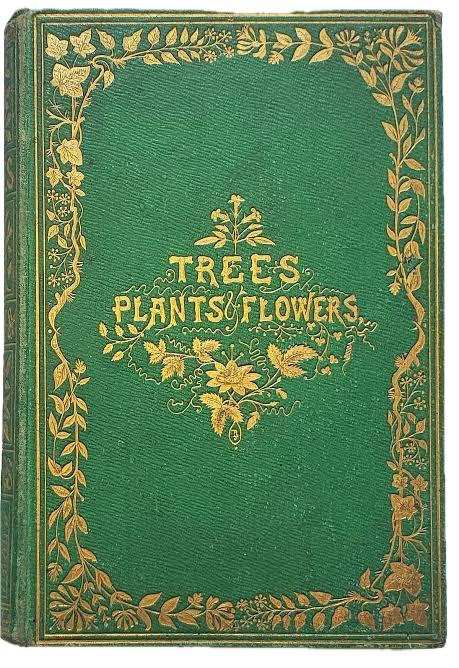
Having a huge commercial potential in a world hungry for vibrant green colour, the inexpensive pigment went into a production almost immediately. Victorian Britain was bathed in Scheele green. Pigment was used for wallpapers, wall paints, fabric dyes, and everyday objects like children’s toys, book covers, dresses, fashion accessories, curtains, even confectionery. The mania spread across the Europe, pigment was known under different names such as Victorian green, Paris green or Vienna green. The only inconvenience of this story is that the pigment was made out of arsenic. It was highly toxic, and consequently highly deadly.
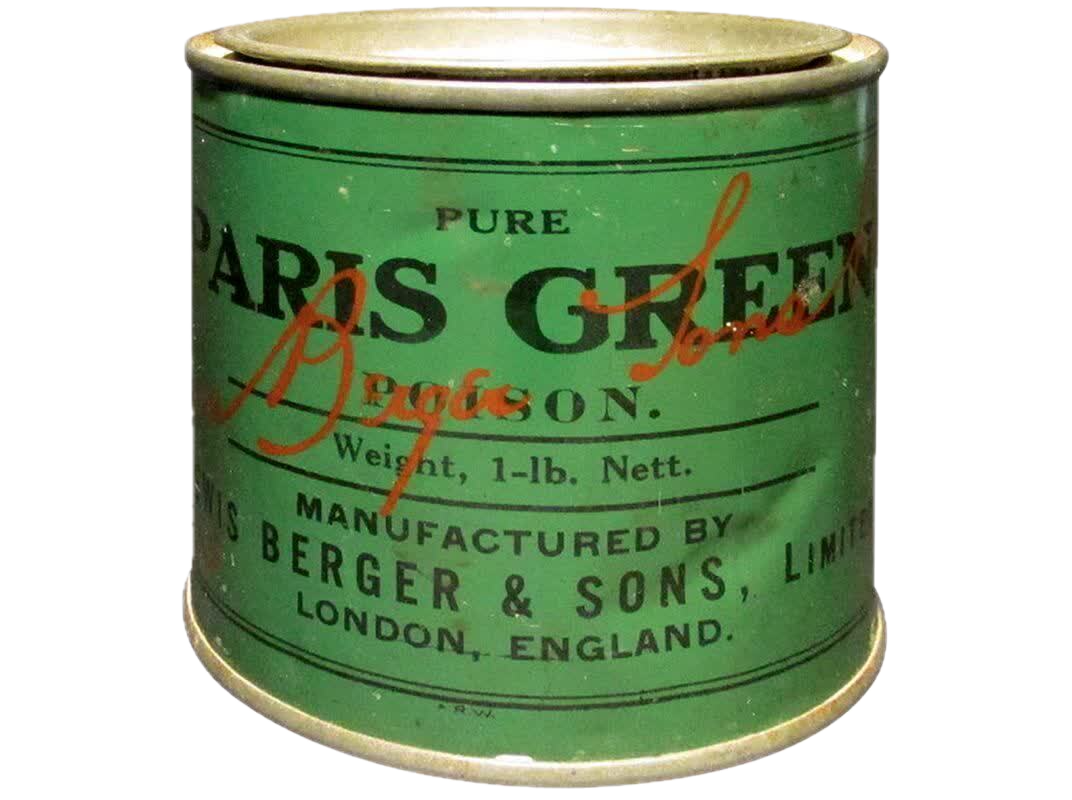
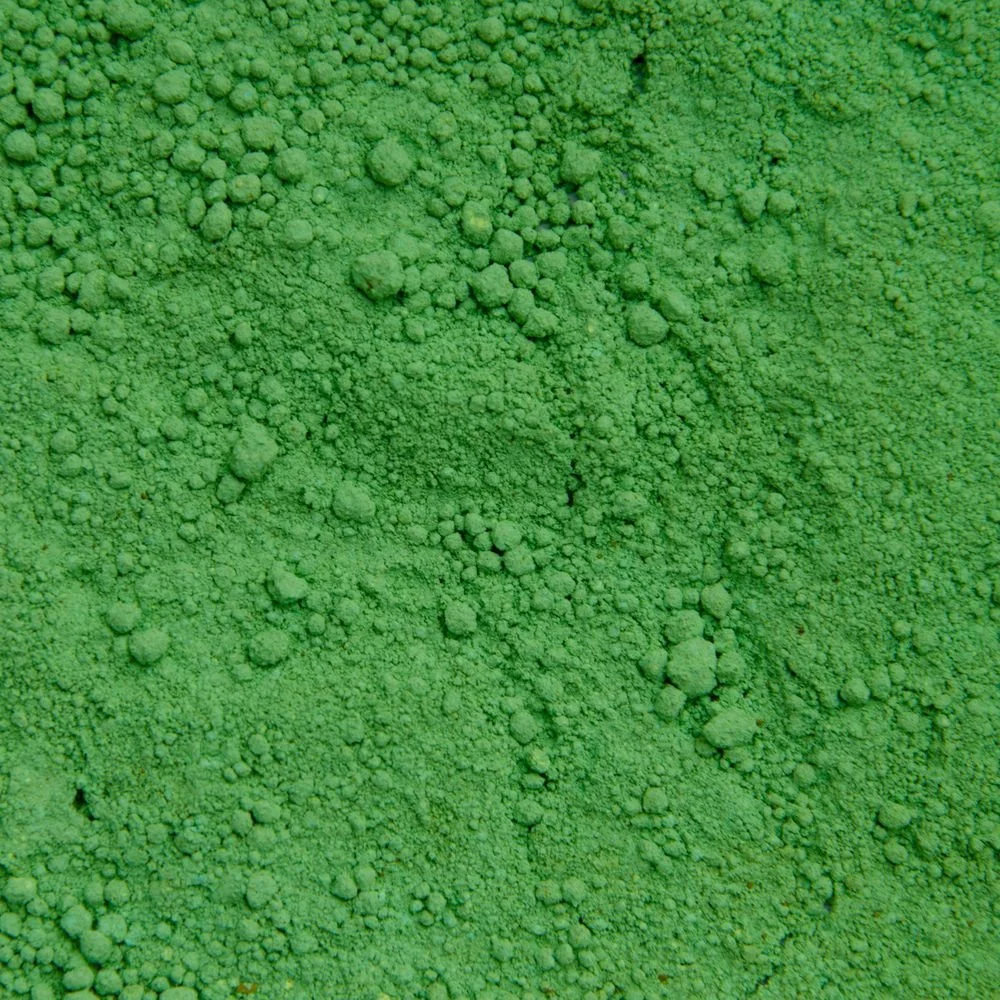
In 1858 there wallpapers dyed with copper arsenite were in most of the British homes, hotels, hospitals and railway waiting rooms. By 1863 between 500 and 700 tons of Scheele green were being made in Britain alone to satisfy the whopping demand of Victorian society. The wallpapers were deadliest of all, especially on damp walls, where teamed up with specific fungi, it would create a toxic gas. A wallpaper sample size of your palm, contained enough arsenic to poison two adults.
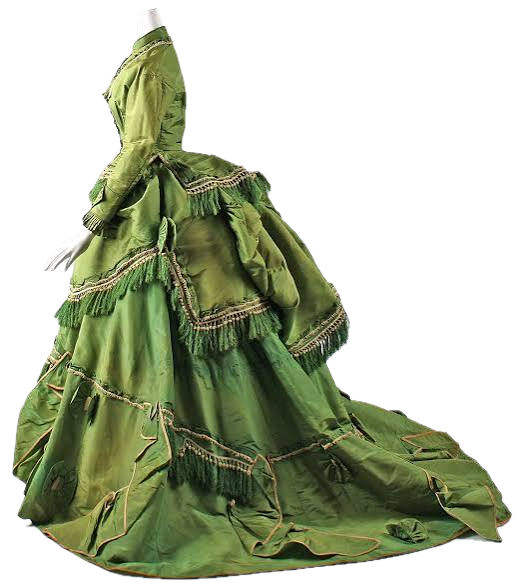
Numerous cases of poisoning and death were noted. A 19-year old artificial flower-maker got severely sick, with symptoms including nausea, vomiting, headache, diarrhoea, rashes and listlessness. She died after 18 months of intense everyday exposure to deadly colour. Little girl died after sucking green pigment of the artificial grapes, while another woman got ill due to sleeping under green bed curtains. Each evening a doctor from Birmingham noticed had headache, nauseousness, and cramps. Persisting symptoms would ease as soon as he lied to bed, but begin again the following evening. One day a penny dropped! He realised the time he felt ill overlapped with the time he spent in his study, a room decorated with green wallpapers. The list of anecdotal cases continued.
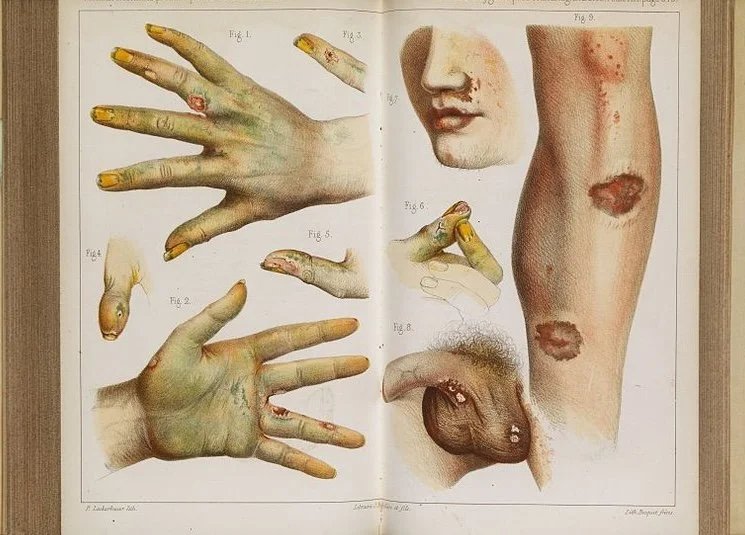
As early in the 1836, a German chemist noticed that damp rooms with green wallpapers poses mouse-like odour. He reported his concerns in a German daily paper, warning the population against using the Scheele green in their home. He published his findings in Sunday edition of the paper, as he felt it was important that his warning reach as many people as possible.
Scheele himself knew his vibrant discovery was deadly, and reported so in a letter to his friend. The head of Zuber & Cie factory, luxurious French wallpaper producer, wrote in one letter that prohibition of the arsenic pigment, “so beautiful and so brilliant”, would “hurt business unjustly and needlessly”. In mid-19th century numerous health scandals broke out. All those concerns were dismissed by industrialists who produced the poisoning pigment or related products. William Morris, a famous British wallpaper and textile designer, rejected health accusations regarding arsenic. He was known to own shares in his father’s mining company, a largest producer of the arsenic at the time. The media influence over the deadly paint helped to guide the general public to stop using such wallpapers. Along with the word of mouth, it managed to raise awareness about arsenic health hazard and curbed the green trend. Even the Queen Victoria ordered green wallpapers to be stripped away, after her visitor had fallen ill overnight. The incident leaked into the public, so many others did the same.
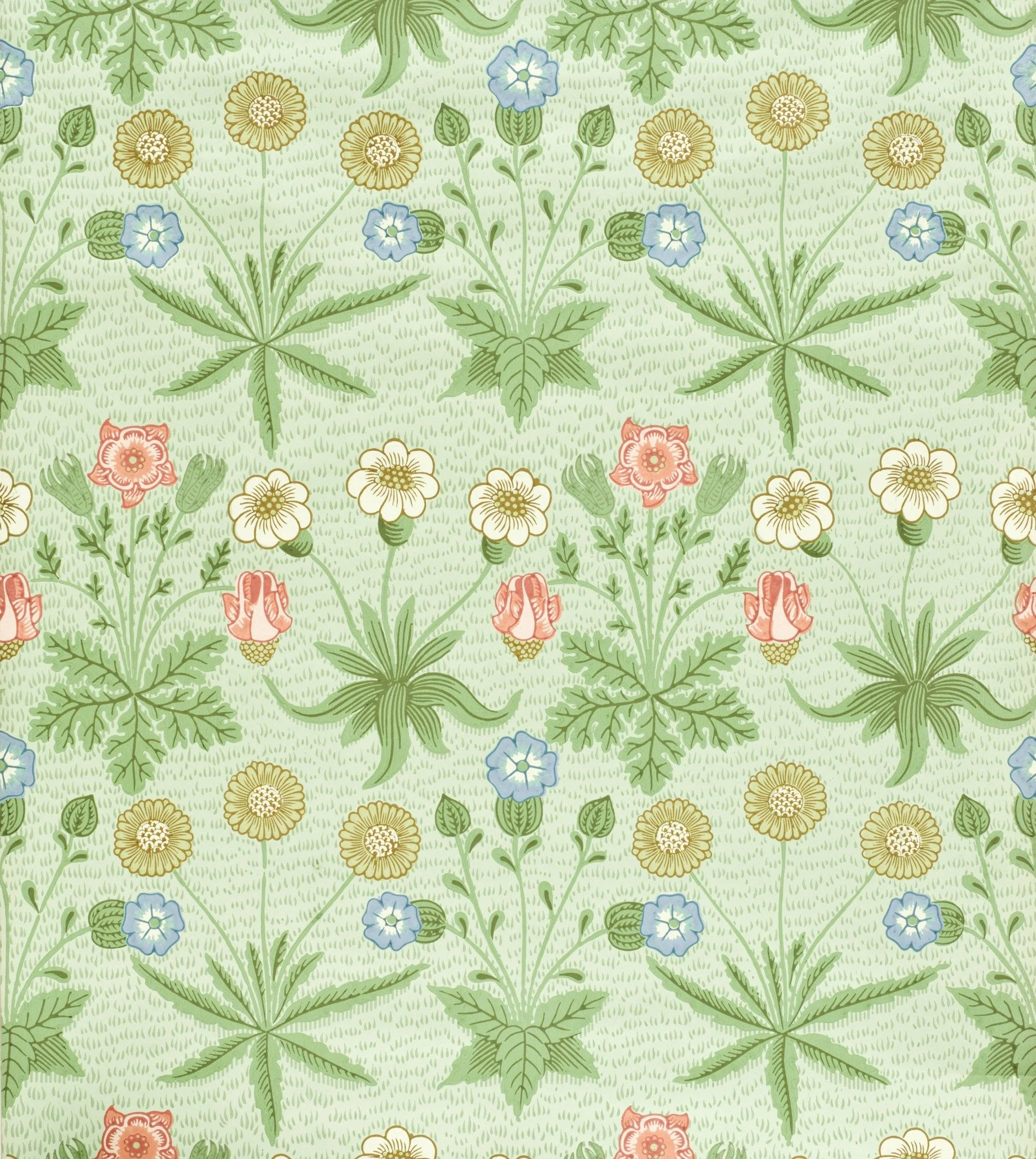
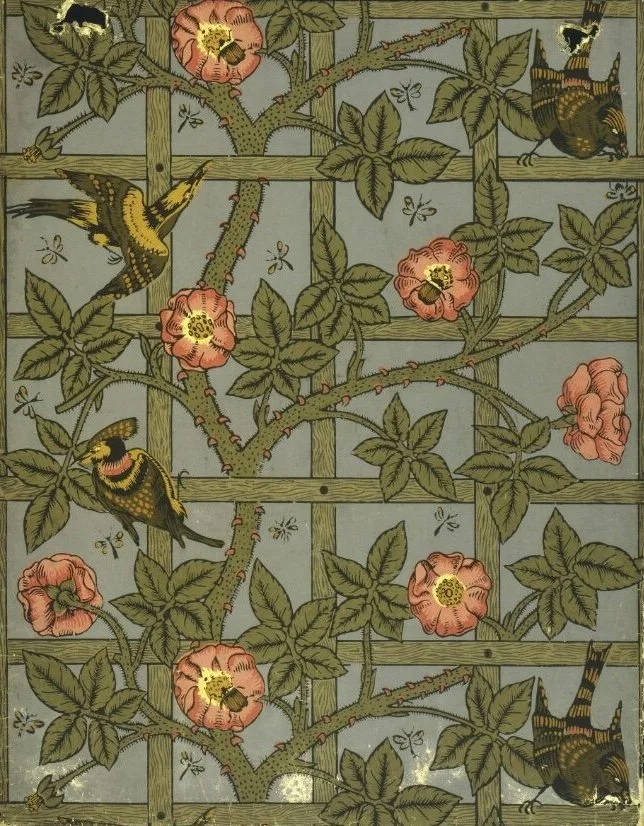
The mistrust in green colour was growing, but neither the wallpaper manufacturers nor the government had been being willing to sacrifice the huge profit arsenic brought in, in order to resolve the public health crisis. Eventually public pressure forced manufacturers to eliminate toxic substances from their products, and companies tried to re-position themselves with ‘arsenic-free’ products.
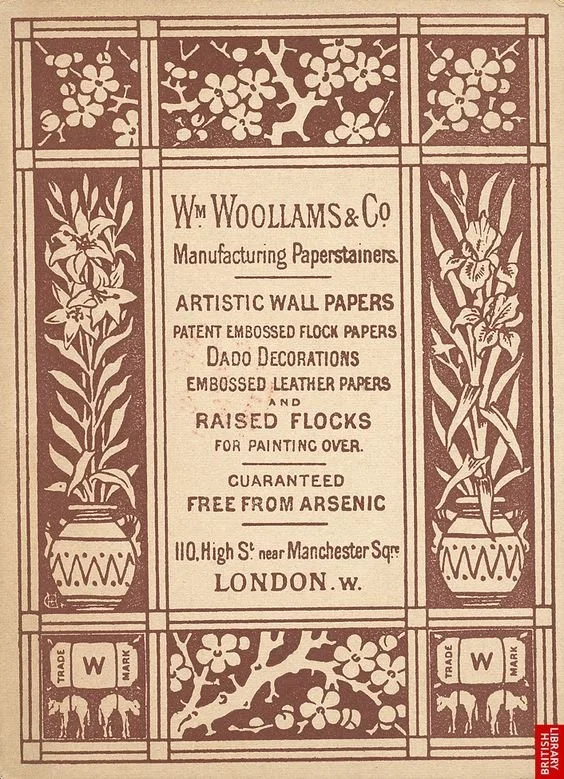
Just as Morrison, the arsenic mine stock investor, ignored the health issues caused by his wallpapers and textiles, and earned profit at the expense of people’s lives, two centuries later we have many similar suspects. Companies with questionable supply chain make products harmful for their consumers. Arsenic green colour was new, trendy, and desirable. Inexpensive to produce, and consequently making final products affordable — the same way we today, react to cheap goods found on platforms like Temu, which come with a hidden health cost on its price tag. Products so cheap that even a person of an average income can ‘Shop like a billionaire’ (Temu’s slogan).
I would rephrase it ‘Shop like a billionaire, die like a Victorian’ as many of the products available at the platform are exceeding the legal limits for toxins, and do not comply with health and safety regulations. The South Korean government had tested pieces of children's winter wear from Temu, AliExpress, and Shein and found that some of them contained toxic substances like phthalate plasticizers or lead, and cadmium.

A children's jacket from Temu contained 622 times the legal limit for phthalate plasticizers (a chemical compound that makes plastics more flexible). Shoes from Shein were found to contain 229 times above the legal limit of the same compound, while another pair of sandals from Temu contained lead in the insoles at levels more than 11 times exceeding the legal limit. Formaldehyde (a chemical used in home building products) was detected in Shein's caps at double amount allowed. Two bottles of nail polish from Shein were found to have dioxane, a possible human carcinogen that can cause liver poisoning, at levels more than 3.6 times the allowed limit. The list goes on and it is not only limited to the fast-fashion Asian brands. The compounds stated above are carcinogenic, or possibly cancer-related, and hormone disruptors causing infertility, premature birth and birth defects. Producers know what’s in their products, consumers are either unaware or wilfully blind, and just as Victorians did, we ride on a wave of another toxic trend.
The arsenic-green dyes and cheap-fast-toxic supply chains are both stories about industrial systems producing visually appealing goods at hidden cost, sold to status-oriented consumers who don't know what they're buying. They also tell us about lacking transparency among brands, consumer ignorance and recurring pattern of ‘good-looking although it’s dangerous’. These stories should encourage us to think more critically about products we buy, the actual costs to produce good quality and fair-trade products, and to be able to asses when the price is, maybe, a bit too good to be true.